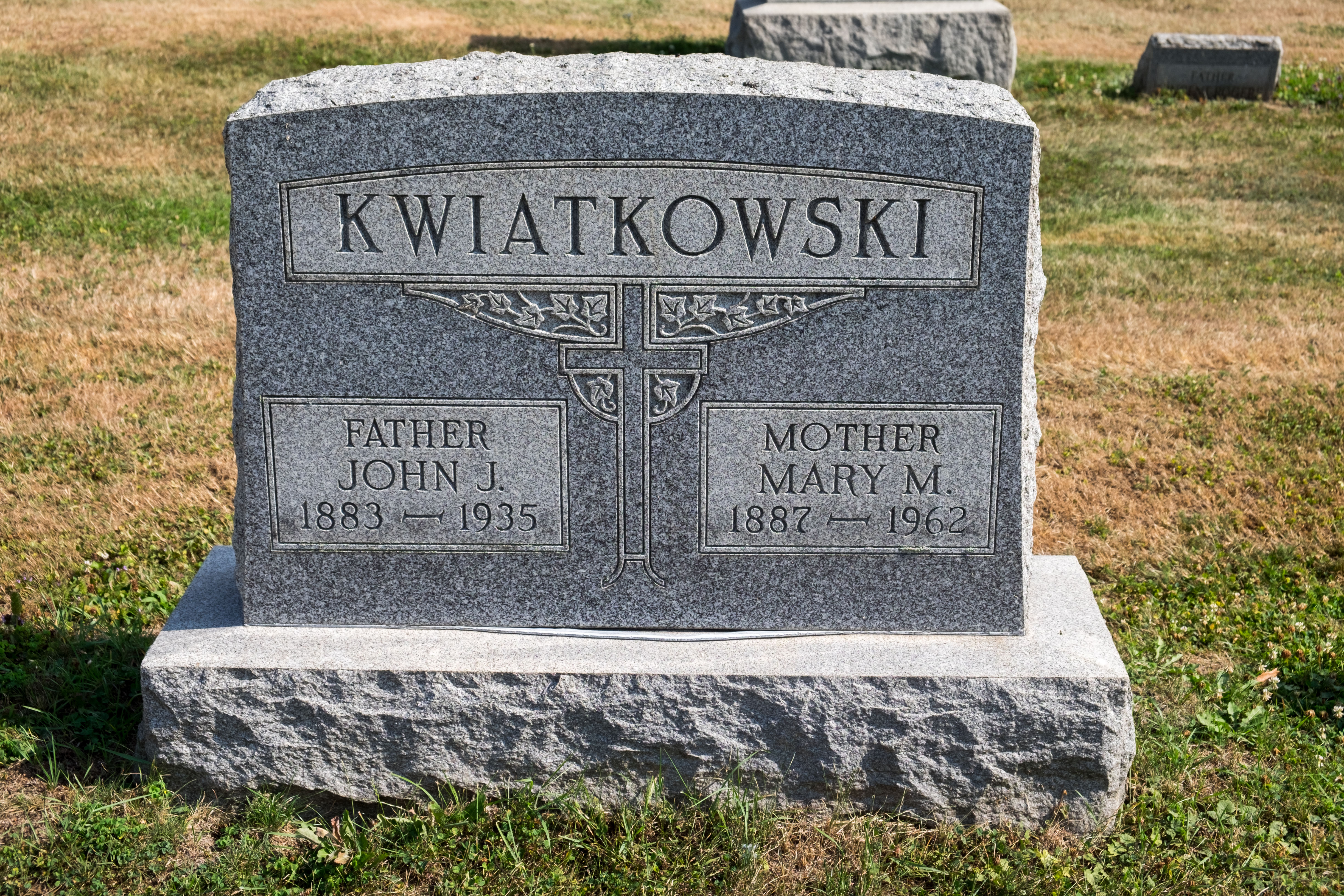
Since Bernie is the photographer, he naturally chose a cemetery with family in it. St. Bonaventure Cemetery in Allegany, New York is quite a large cemetery, and I found many family names among the Kwiatkowskis buried there, including my great grandfather and great-great grandmother (Bernie’s great-uncle and great grandmother), . The family relationships can get a bit confusing when I try to position myself and Bernie with the dead relative, but I did use the cousin finder, and I think I got it right. If you see any mistakes in family progression, please feel free to let me know so I can straighten it out.
Bernie’s grandparents’ tombstone (my great-granduncle and “Babci Mary”).Bernie’s namesake who died in WWII when his plane crashed, probably in Papua New Guinea (my first cousin twice removed).
The cemetery is named for a local university that students claim to be haunted. Who knows whether the stories are actually true. You can read themhere and decide for yourself. In the meantime, here’s one as a great companion to those late night readings. You may want to keep the light on.
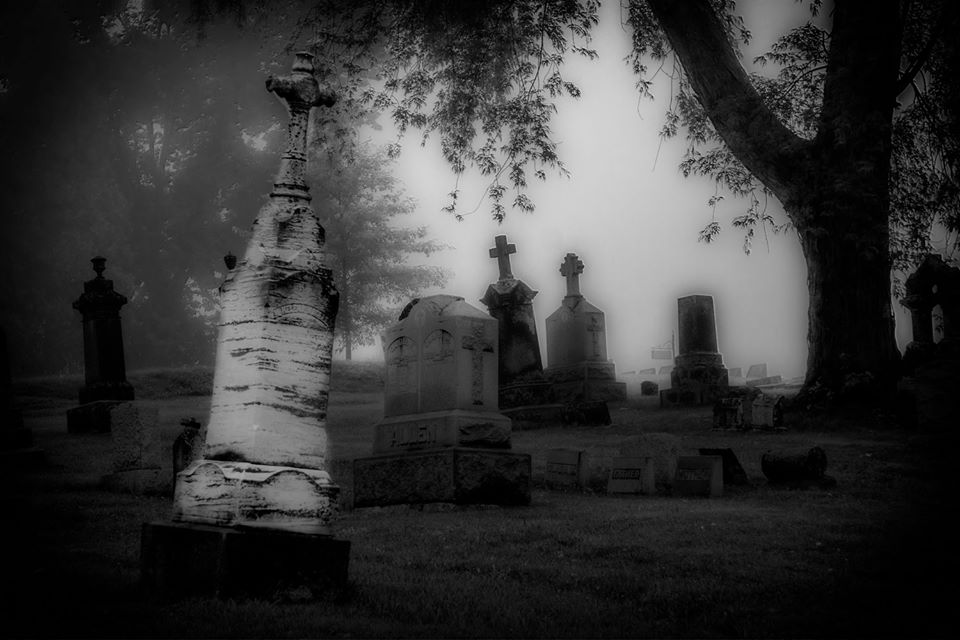
Happy October! I’m featuring cemetery photos from my cousin Bernie Kubiak this month. This one is from Chestnut Hill Cemetery in the village of Portville, New York (near Olean).
Photo by Bernie Kubiak
I don’t think we have any relatives buried here. You can find a complete listing of interments here.
A curious thing about my ancestors–they’re all dead. It’s the one thing they have in common. When they die, they get buried. At least back in the day, that’s what they did. Today, cremation is a definite possibility, and it’s getting more common. Especially in Europe where they are running out of room for all of the bodies. But where did the bodies of our Euro-American ancestors go? I have some guesses, and going by family names, religions, places of settlement, and places of origin, I’d bet some good money that I’ve got late relatives buried in each one of the cemeteries I found.
Of course, I promised that I’d do some looking into the Polhemus family cemetery where my 5th great-grandfather was buried. You would think that would be an easy thing considering that the cemetery is smack in the middle of American Revolutionary history. Not so. None of the links to Colts Neck New Jersey Cemeteries seem to be working correctly. However, I was able to get some interesting photos with definite possibilities.
I did some sleuth work, based on things I know about the Wyckoff family. First, I know that they are Dutch; we have traced their records back to the Netherlands. Second, I know that they originally settled in the area of Monmouth County in New Jersey. Third, I have some evidence from Find-a-Grave that indicates that Aukey Wyckoff was buried in the Polhemus family cemetery in Colt’s Neck, New Jersey. And, of course, I know their last name would have been Wikoff, Wykoff, or Wyckoff. Knowing these things, I have come up with the following photos:
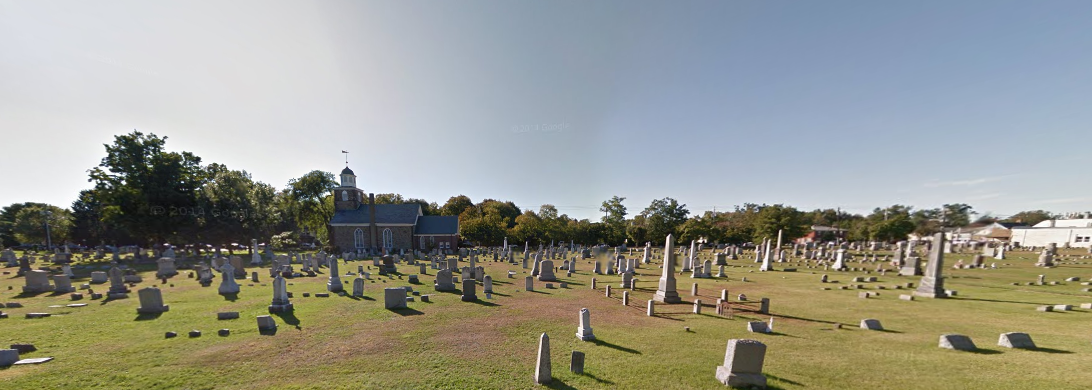
The Polhemus family cemetery, where Auke Wykoff is said to be buried, is located in the Colts Neck Reformed Church Cemetery. This makes sense, since most Dutch immigrants belonged to the Dutch Reformend Church. This is the only photo I could find of the “church” or cemetery.The Flatbush Dutch Reformed Church in Monmouth county. I would not be surprised at all to find ancestors buried here, even if they are not Wyckoffs.This is actually a screenshot of a street-view looking at the Wyckoff Reformed Church Cemetery in New Jersey. The Wyckoff Reformed Church
There are so many possibilities in New Jersey. I would love to take a trip there sometime and do some cemetery hopping. It would be a lot of fun to see how many of my Dutch ancestors I can find while I am there.
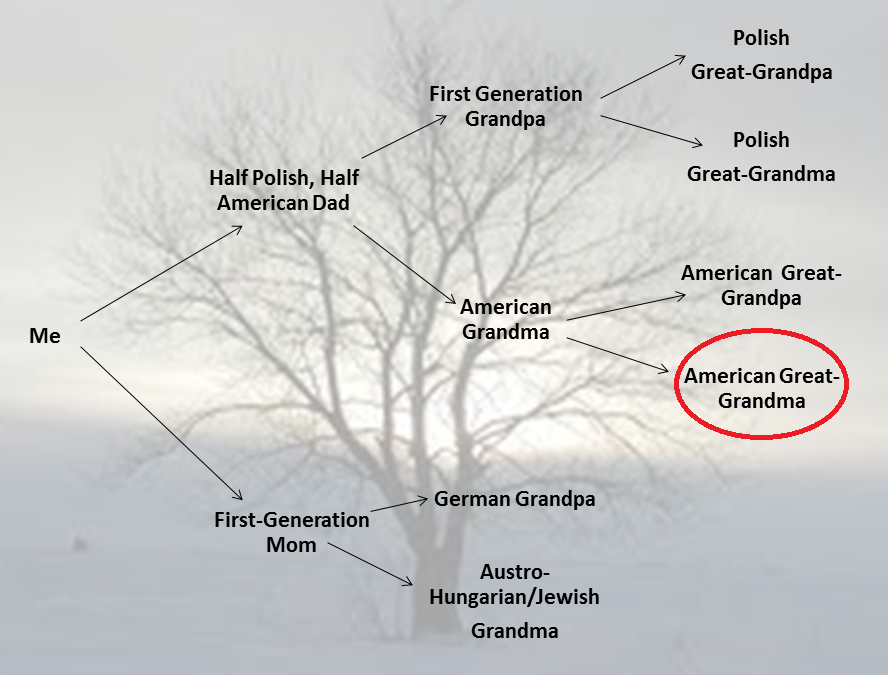
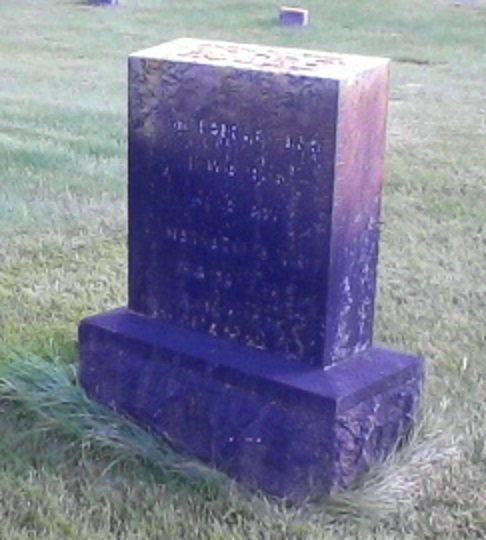
My mom is a first generation American. This means that she and her siblings are the first in the family to be born in the United States. My Grandfather on my dad’s side is also first generation American. Mom is half German and half Austro-Hungarian Jew, and Grandpa on Dad’s side is 100% Polish. Grandpa on Dad’s side married an American. This is where the lost tombstone comes in.
Dad says he’s half Polish and half mutt. On the mutt side of my family (the American side), I have a 5th great-grandfather who was a colonel in the American Revolution, so I qualify as a Daughter of the American Revolution (DAR); even though I am part mutt. (more…)
It looks like thursday posts are becoming a habit. So thursday it is.
This Cemetery is Hiding a Secret
I found the West Weber cemetery while driving the back roads in Weber County. It is in a small farm town located West of Ogden, Utah on the plains between the mountains and the north end of the Great Salt Lake. As I got closer to the cemetery itself, I noticed that most of the tombstones, even the newer ones, are a deep rust color. The newer tombstones are a lighter red, while the older ones are almost brownish-black.
While it’s a bit disappointing to see the tombstones covered in a reddish-film, it’s also pretty cool. The dark color of the tombstones make it difficult to get a decent photograph for identifying people buried there, but the dark red color adds a mystique that can even be called “creepy” at Halloween time. However, the secret of this graveyard is not in the discolored graves. (more…)
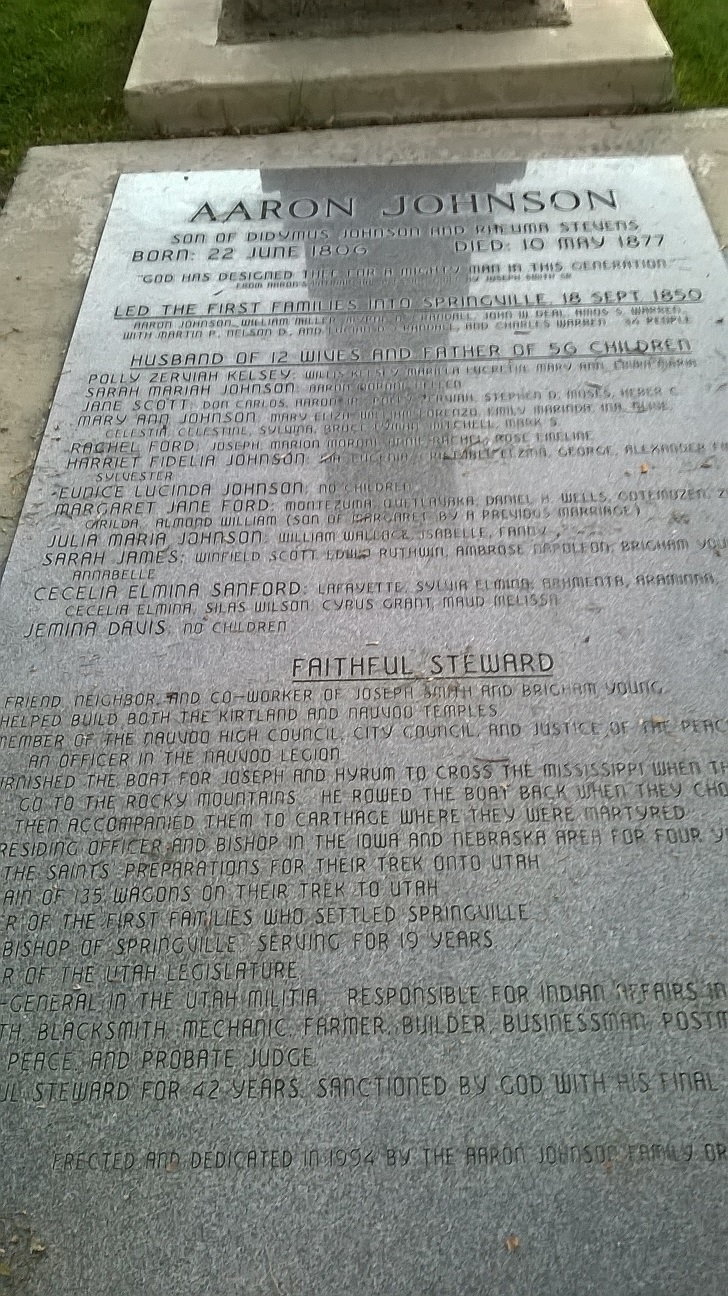
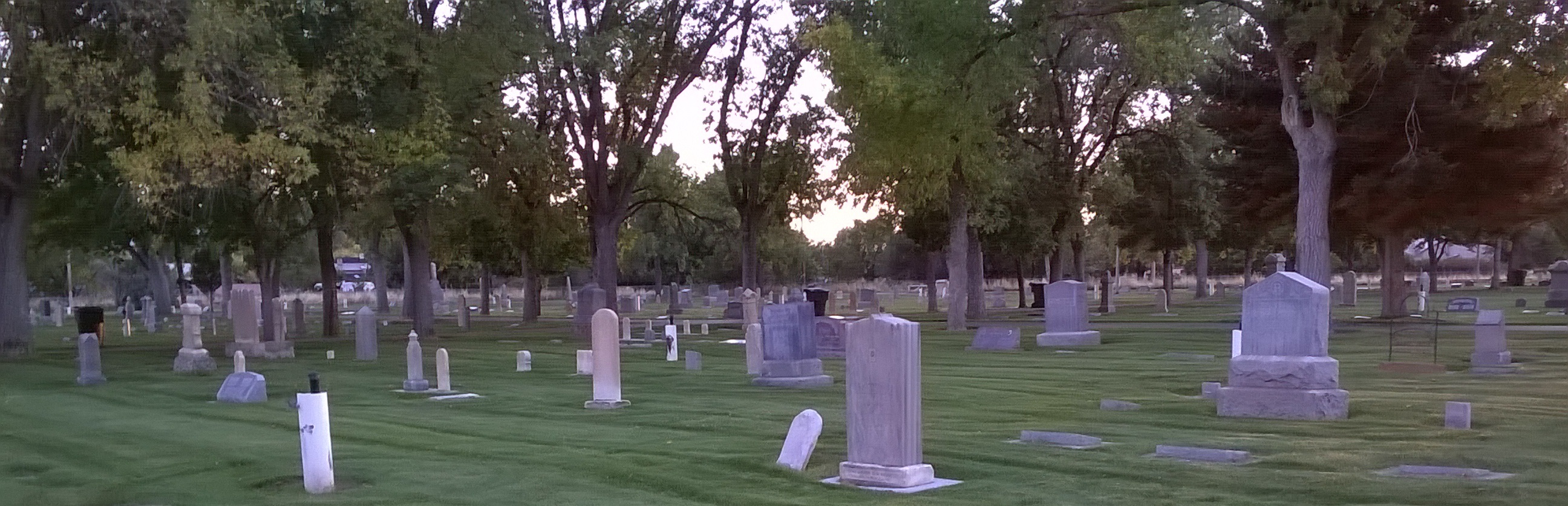
It’s rare that you come across a cemetery this well-loved. Around here, cemeteries are clean, lawns are watered and mowed regularly, and a caretaker cleans up old grave decorations. But I’ve never seen a cemetery like this one. As soon as I laid eyes on it, I knew that I would get some good pictures, even though I was using my cell phone. I didn’t expect to get a panoramic view that I could use for my header photo, but as you can clearly see, it worked out great. Here’s another panorama:
I don’t think Springville Cemetery always looked this good. I can imagine it overgrown with weeds, and tombstones knocked over and used for target practice by rambunctious kids. Now it is completely fenced and cleaned up, but the oldest tombstones needed rescuing. Some, beyond repair, were rescued anyway:
October is my favorite month of the year. It may or may not be because of my birthday, but I do know that it is because of Halloween. It is probably a combination of things: Halloween, my birthday, autumn, and the general feeling of anticipation mixed with dread as the harvest is gathered in preparation for the coming of the dark, cold days of winter. I feel a sense of romance as leaves change colors, pumpkins appear on porch steps, and figures of ghosts are hung from molting trees. I love the dark evenings when candles are lit and ghost stories are told. I love the cold crisp smell of the air. It’s the perfect month for celebrating cemeteries.
Balyna Parish Cemetery in Ireland. Did you know that our modern day celebration of Halloween comes from Ireland?
October is a time for romance, the kind of romance that elicits feelings of excitement, nostalgia and mystery–a sentimental mood that lends a listening ear towards the unknown things of the past. Graveyards are some of the most romantic places I know. They are the places that keep the things of the past in a state of limbo–we know the stories are there, but they are buried with the storytellers and remain in the realm of the unknown. Cemeteries are the true places of Untold Stories.
So in the spirit of cemeteries and storytelling, I will be sharing bits and pieces of stories of the past told by others. Today, I’d like to share a comment made on my own Untold Stories from a fellow blogger, Jeff Roberts:
“We grow up believing graveyards to be haunted. It was almost a rite of passage to test your bravery by visiting the forgotten after midnight. We all thought we saw ghosts as shadows danced from grave to grave by the reflective moonlight….. given time and some maturity this perspective changed. The hauntings became monuments. The monuments became people. These people became giants. Not all who walk this earth are compelled to understand the past that shapes our present.
I am one so fortunate. As a kid hiking the sage & juniper, I saw much more than just nature. Humanity had been here. An arrowhead, a wagon trail trace, a metate, a stump, a rusted ring from a barrel, and a purple glint… glass from a pioneer traveller. Eventually it became my task to make sense out of 150 years of cemetery records. An opportunity to find the lost or the misplaced or the forgotten. An opportunity to connect this grave with that grave or that grave with that family. An opportunity to reconnect people with their past. An opportunity to tell a hundred stories. And what stories and what men and women and what toil and what sacrifice and what tragedy and what sorrow and what joy.”
Thank you, Jeff, for keeping the romance alive; and Happy Graveyard Month!
I wrote the original Untold Stories more than ten years ago. At that time, there was little information to be found on the internet, and since I no longer lived in the area, I had to wait to get my questions about the Skeen family answered. I’ve been doing my research on my own free time, knowing that there was a story there. I haven’t been disappointed. Thanks to a few phone calls, Family Search, Ancestry.com, Plain City Utah.org, and one more trip to the Plain City Cemetery, I was able to find all the information that I needed to complete the Skeen’s story. The story coincides with the history of town itself, so it must be told as part of the town’s history.
William Skeen. Courtesy of Ancestry.com
William Dolby Skeen was born in 1839 in Steelville Pennsylvania, son to Joseph Skeen, and brother to Lyman Skeen, all of whom were primary settlers in the Plain City , Utah area. The three men were among a larger group of Mormon pioneers who had originally settled in Lehi, but left to scout out an area in Weber County for a place with rich land for farming and a good water source. The area now known as Plain City lies at the edge of a delta where the Weber River fans out upon entering the Great Salt Lake. These early pioneers found that they could use water from the river for irrigation, and culinary water could easily be found by sinking wells. It was a good spot with plenty of water for their small party of pioneers. This group of men staked claim to the land, and are therefore among the founders of Plain City. (more…)
If you’ve read my Untold Stories essay, you know that I had many questions that I needed answers to so I could finish telling the Skeen’s story. Over the years, I looked things up on the internet, just out of curiosity, and this last spring I made another trip to Plain City. I took pictures this time, and added them to my collection of information from Family Search, Ancestry.com, and the history archives of Plain City. I have pieced together a complete story, and I’m so excited to tell it!
Please be patient with me as I put the finishing touches on the story of the Skeen family. As I get the story ready, here are some teasers for you: (more…)

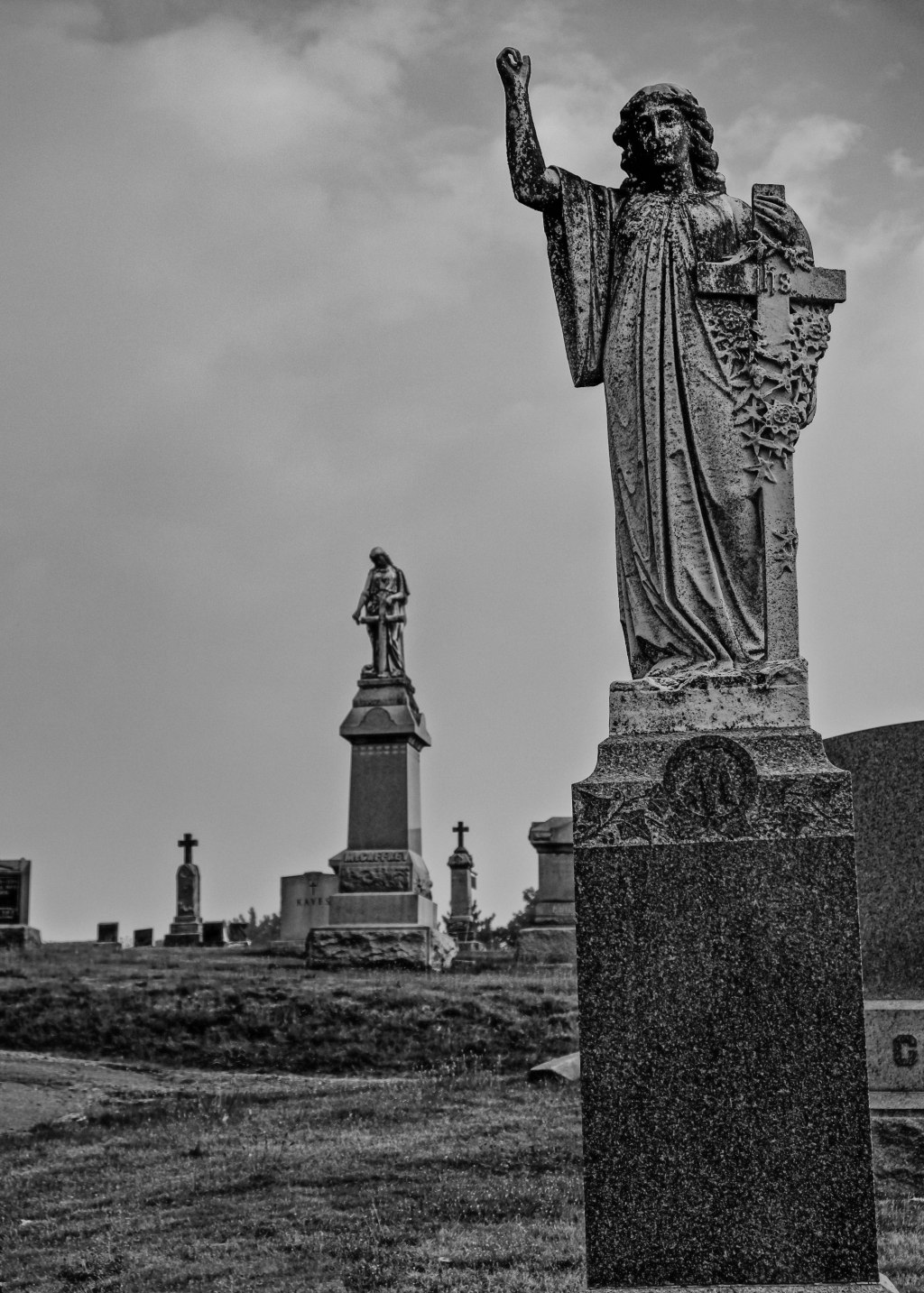

 The cemetery is named for a local university that students claim to be haunted. Who knows whether the stories are actually true. You can read them here and decide for yourself. In the meantime, here’s one as a great companion to those late night readings. You may want to keep the light on.
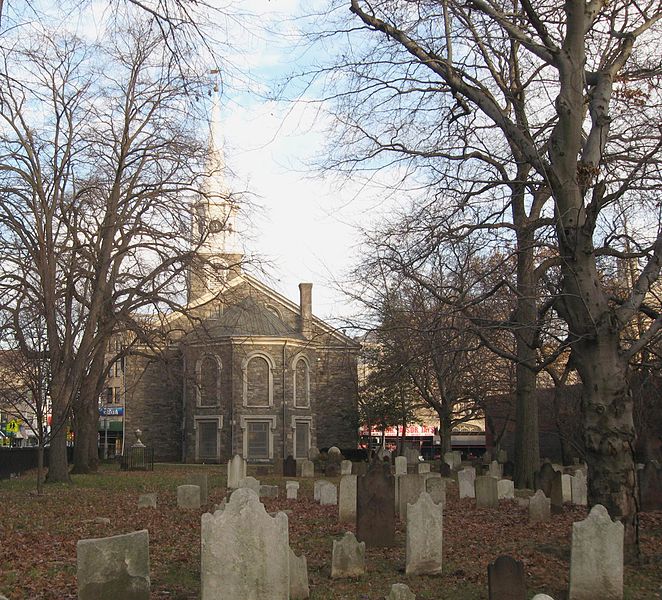


 There are so many possibilities in New Jersey. I would love to take a trip there sometime and do some cemetery hopping. It would be a lot of fun to see how many of my Dutch ancestors I can find while I am there.





 StoriesFromthePast.com