
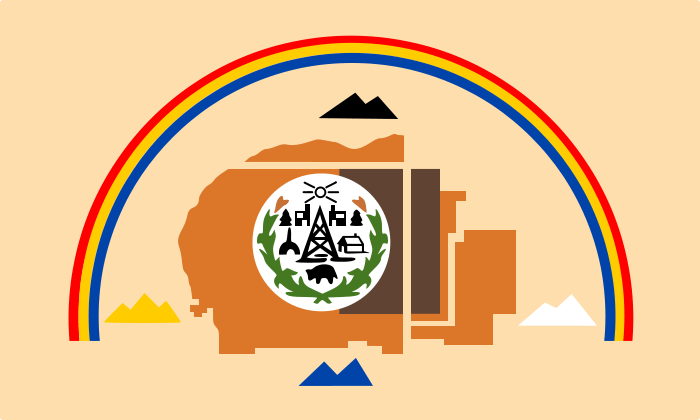
Happy American Indian Heritage Month!
Talk about Native Americans and the first two things to come to my mind are my grandchildren. My oldest granddaughter and her younger brother are both Navajo by birthright, but I know more about what it means to be a Navajo than they do, which saddens me.
I taught high school English to students from the Navajo Reservation for just one year, but that is not where my son met his wife. While I was teaching, and learning from, the Navajo people in Arizona (Most prefer to be called the Diné), my son was living 350 miles away in Utah where he met and married a graduate of Brigham Young University who identifies as half-Navajo. This makes my grand children one-quarter Navajo.
My daughter in law does not talk much about her family history. In fact, I can easily tell what I do know about her genealogy in just one paragraph. She is half Italian (her father is an immigrant), and half Navajo. Her mother was born on the Navajo Reservation (the largest reservation in the U.S.), but was raised in Utah with a foster family. Her mother passed on a few years ago, and though she remembered her family from the reservation, she was never really interested in returning or integrating with the culture. And that’s it.
My daughter in law is quite reserved, and doesn’t talk much about her family’s background, but I wish she would. Over time, I believe I’ll be able to get more out of her and I will share as I learn more. In the meantime, I am determined not to let my grandchildren lose their indigenous identity. I hope that one day they will come to understand all sides of their geneology, and maybe even come to embrace the Diné culture.
Part of the Diné culture includes knowing and embracing your clans (best described as branches of the family tree). I had originally planned to put the traditional introduction into my own words, but it is a complicated system (maybe not so complicated to those who were born into it), and I don’t feel that I can give it justice. Thankfully there are many indigenous Americans still interested in reviving and embracing their native cultures, so it wasn’t hard to find a good video to explain it.
I do feel that it is important to explain one thing that doesn’t usually get explained by the Diné, probably because it is so ingrained in traditional Diné living that that they just don’t think about it. Navajo culture and society are organized matrilineally. Similar to the western patrilineal system of family organization, emphasis is put on the clan of the mother, and mothers are the heads of households and central focus of each clan.
Keep the matrilineal system in mind as you watch the video. I liked this one so well that I subscribed to the Vlog. Here is what the author, daybreakwarrior, says about the clan system and proper Diné introductions:
This video goes into the “basics” of Navajo clans, describing the importance of Navajo clans in the present day: it’s implications on identifying yourself & establishing Clan-relatives, how it identifies your ancestry, how it can “hint” at where you’re originally from, how it determines who you can & can’t marry, & how having Clan-relatives can help you in times of need. The main role that Navajo Clans have in this day and age is in introducing one’s self in public, and showing respect.
I recommend watching the video in it’s entirety.
I hope you enjoyed it as much as I did. I’ll be back at least four times a year with more cool stuff about the Navajo Nation and the heritage of my grandchildren (November, December, March, and July– American Indian Heritage Month and birth months of my grandchildren and their mother).
Yá’át’ééh (it is good)!


 StoriesFromthePast.com
Leave a comment